OSD course program

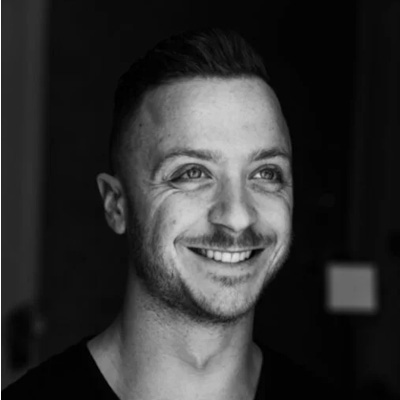
Giacomo Consorti Portrait

The Neuroaesthetic–Enactive Paradigm in Osteopathy: Rethinking Somatic Dysfunction through Perception and Participation

Course facts

Requirements for participation

In osteopathic training

Course fee

29,00 

Out of stock

Out of stock

Join the waitlist to be emailed when this product becomes available

Course details

Course content

This 90-minute webinar introduces the basic principles of the neuroaesthetic-enactive (NE) paradigm and illustrates how it can reshape osteopathic thinking and clinical decision-making. Based on perceptual neuroscience, enactivism, and embodied cognition, this approach reinterprets somatic dysfunctions as a loss of aesthetic coherence and functional adaptability, rather than a purely structural problem.

Through theoretical discussions and clinical examples, the session offers a structured model for assessment and treatment based on perceptual concordance, active patient participation, and shared meaning-making within the therapeutic process.


Learning objectives:

At the end of the webinar, participants will be able to:

  • define the key theoretical concepts underlying the neuroaesthetic-enactive paradigm.
  • Describe the clinical relevance of aesthetic coherence and perceptual invariants in osteopathic assessment.
  • Distinguish the NE paradigm from traditional structural approaches to somatic dysfunction.
  • Apply the basic principles of the Patient Active Osteopathic Approaches (PAOA) model to clinical reasoning.
  • Analyze selected case studies that illustrate how the NE paradigm supports participatory treatment strategies.

Indicative content:

  • From TART to Perceptual Concordance: Evolving Models of Dysfunction
  • Aesthetic Invariants and Embodied Meaning in Clinical Assessment
  • Introduction to Patient Active Osteopathic Approaches (PAOA)
  • Case-based discussion of NE applications in osteopathic practice
  • Open Q session with audience interaction

ATTENTION:
This webinar takes place live online and will neither be translated into German nor recorded!


Lecturer/s

Course details

Course number

Nummer 26MC02GC Kategorie

Info

Print

Kursinfos

Other OSD courses

Cookie-Einstellungen